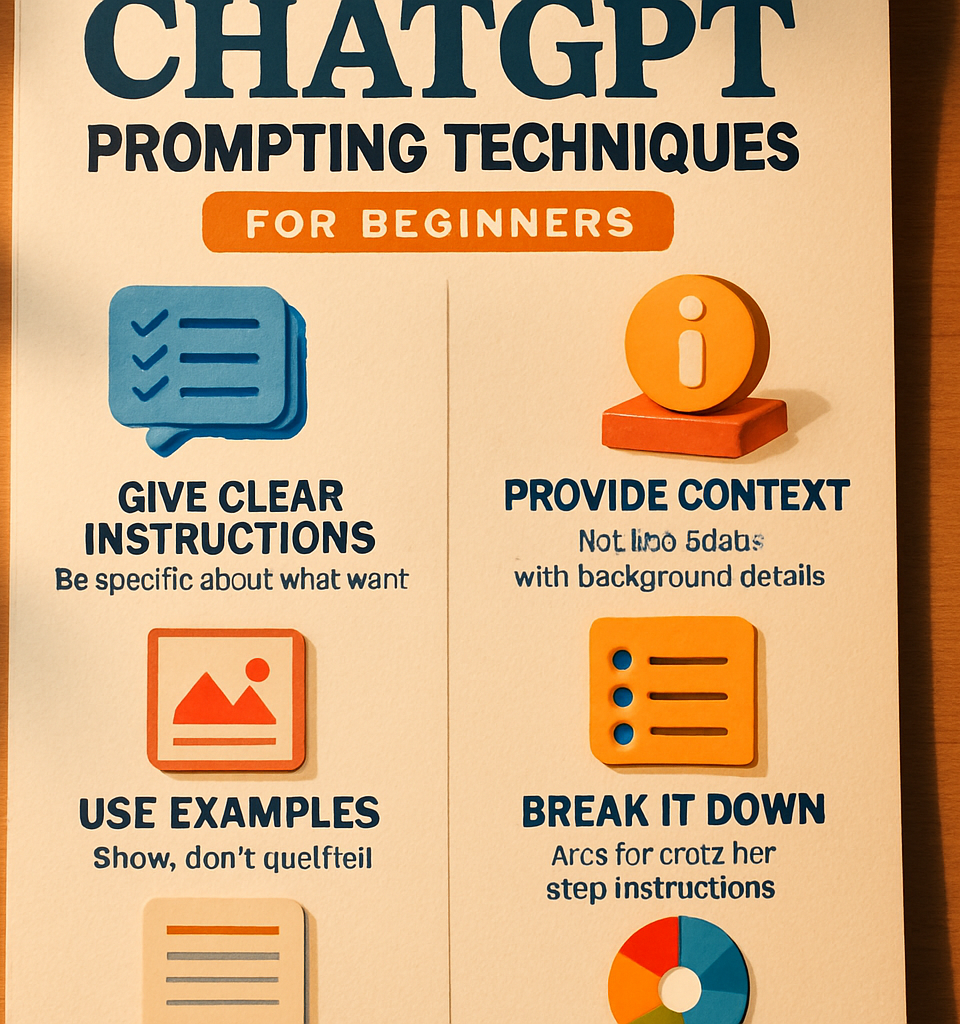
ChatGPT Prompting Cheatsheet 2026 | Best AI Prompt Engineering Guide for Beginners
Are you ready to master AI interactions? With the rise of AI technologies, especially ChatGPT, understanding how to effectively prompt these systems is crucial. This comprehensive guide dives deep into the strategies and techniques you need to create successful prompts, making it perfect for beginners and seasoned users alike.
Understanding the Basics of Prompt Engineering
Prompt engineering is the art of crafting inputs to AI models, particularly language models like ChatGPT. The quality of your prompt can significantly influence the quality of the output. Let’s break down some essential components that every beginner should understand.
First, consider the clarity of your prompts. A clear and concise prompt can lead to more relevant and accurate responses. Avoid vague language, and instead, be specific about what you want to know or achieve. For instance, instead of asking, “What’s the weather?” you might say, “Can you provide the current weather forecast for New York City?” This specificity helps the model understand your query better.
Types of Prompts
There are several types of prompts you can use, including:
- Informational Prompts: These prompts seek factual information, such as “What are the health benefits of green tea?”
- Creative Prompts: These prompts encourage the AI to generate creative content, like “Write a short story about a dragon who loves to bake.”
- Conversational Prompts: Designed to initiate a dialogue, these could be something like, “What do you think about climate change?”
Understanding these types can help you choose the right approach based on your needs.
Crafting Effective Prompts
Effective prompts are crucial for getting the most out of ChatGPT. Here are some strategies to ensure your prompts are well-structured:
1. **Be Direct and Specific**: Use direct language that specifies what you want. Instead of saying, “Tell me about history,” you could say, “Can you summarize the key events of World War II?”
2. **Use Examples**: If you want the model to generate a specific style or format, provide examples. For instance, “Generate a dialogue in the style of Shakespeare between two characters discussing friendship.”
3. **Ask Follow-up Questions**: Encourage deeper responses by asking follow-up questions. For example, after a response about a topic, you could ask, “Can you elaborate on that point?” This keeps the conversation flowing and allows for more comprehensive answers. Best Summer Vacation Spots in 2026: Discover Your Paradise
Utilizing Context Effectively
Context plays a significant role in how ChatGPT interprets your prompts. The more context you provide, the better the model can tailor its responses to your needs. Here are some tips on providing context:
1. **Set the Scene**: If you want a specific scenario, describe it. Instead of just saying, “Write a poem,” you might say, “Write a romantic poem set in a bustling Paris café.”
2. **Specify the Tone**: Indicate the tone you want the response to have. For example, “Explain photosynthesis in a humorous tone.” This guides the model in crafting its answer appropriately.
Common Mistakes to Avoid
Even seasoned users can trip up on some common pitfalls when crafting prompts. Here’s a list of mistakes to avoid:
- Being Too Vague: As mentioned earlier, vague prompts lead to vague answers. Always strive for clarity.
- Overloading with Instructions: While context is essential, too many instructions can confuse the model. Keep it simple.
- Ignoring the Model’s Limitations: Remember, ChatGPT doesn’t have real-time data. If you ask for current events, it may not provide accurate information.
Being aware of these common errors can significantly enhance your prompting skills.
Advanced Prompting Techniques
Once you’ve mastered the basics, you may want to explore advanced techniques that can elevate your prompting game. Here are some methods to consider:
1. **Multi-step Prompts**: Create prompts that require the model to engage in a multi-step process. For example, “First, list the top five tourist attractions in Paris, then describe each one briefly.” This method can yield more detailed and organized responses. Best Time to Visit National Parks USA 2027
2. **Role Play**: Ask the model to assume a particular role. For instance, “Act as a travel guide and recommend places to visit in Rome.” This can lead to more tailored advice.
How to Practice Prompting
Like any skill, practice is key to becoming proficient in prompting. Here are some ways to hone your skills:
- Experiment: Try different types of prompts and see how the model responds. Keep track of what works and what doesn’t.
- Join Online Communities: Engage with others who are learning prompt engineering. Platforms like Reddit and specialized forums can be invaluable.
- Review Examples: Look at successful prompts shared by others. Analyzing what makes them effective can provide insights into your own approach.
FAQs
What is prompt engineering?
Prompt engineering involves crafting effective inputs for AI models to elicit desired responses. It’s crucial for maximizing the utility of tools like ChatGPT.
How can I improve my prompting skills?
Practice regularly, engage with online communities, and analyze successful prompts to refine your skills over time.
What types of prompts work best with ChatGPT?
Direct, specific, and context-rich prompts tend to yield the best results. Examples and follow-up questions also enhance the interaction.
Are there any resources for learning more about prompt engineering?
Yes! Online forums, tutorial videos, and AI-focused blogs are excellent resources. You can also refer to OpenAI’s official website for updated information.
Can I use ChatGPT for professional tasks?
Absolutely! Many professionals use ChatGPT for brainstorming, drafting emails, generating content ideas, and more.
